Strabismus
The two eyes don't aim at the same point at the same time.
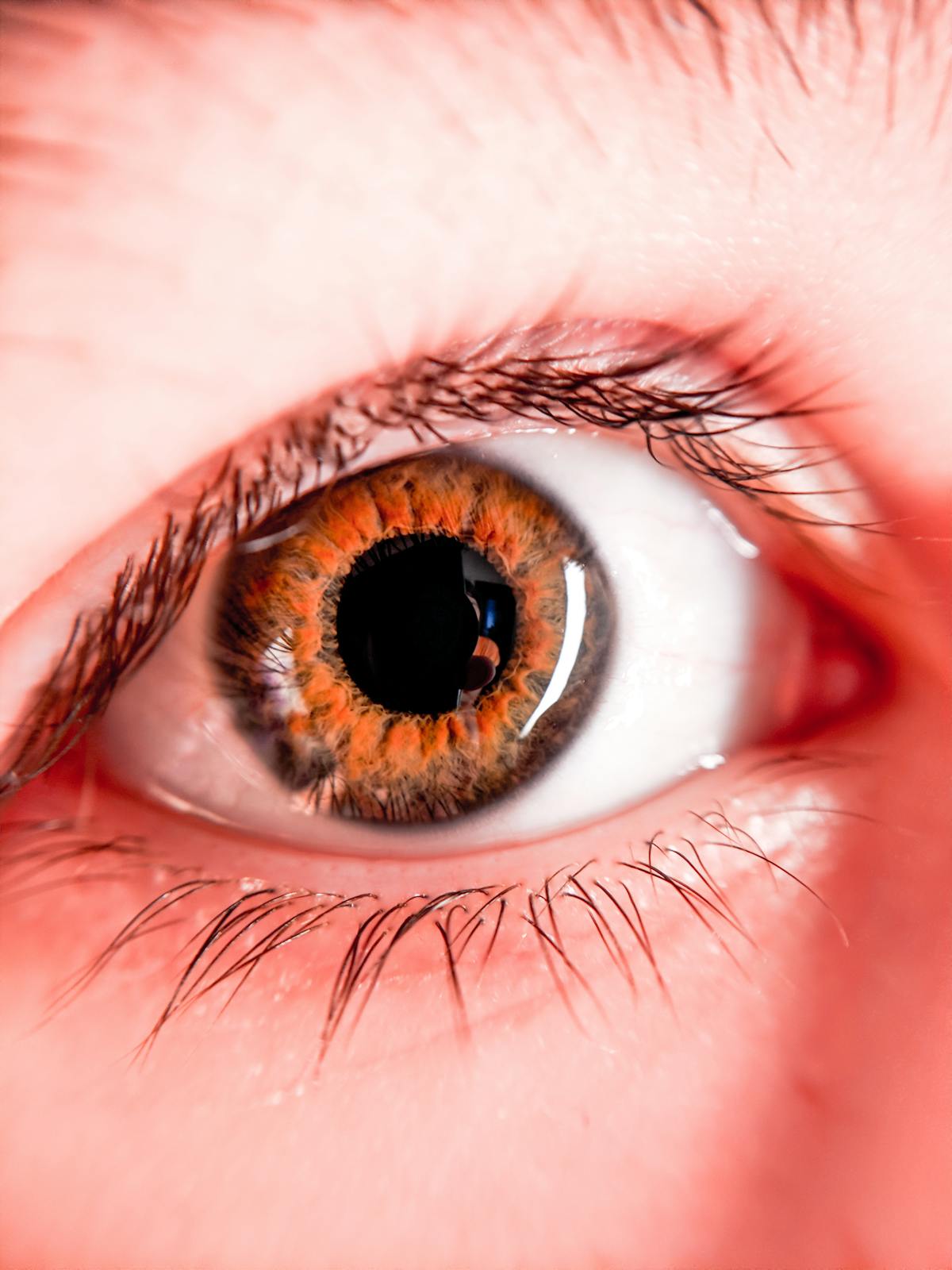
Healthy vision relies on the two eyes pointing at the same thing, so the brain can fuse the slightly different images into one. Strabismus is what happens when that alignment breaks — one eye turns in, out, up, or down while the other stays straight. It can start in childhood or appear later, and it always deserves a look.
Why it's not a cosmetic issue.
In children, an untreated eye turn often leads the brain to ignore the wandering eye altogether — that's amblyopia, and after a certain age it becomes very hard to undo. In adults, a sudden new misalignment can be the first sign of a neurological problem and warrants an urgent exam.
How we treat it.
Many childhood cases respond to glasses, patching, or eye exercises. Where alignment doesn't return with those, an outpatient surgery on the small muscles around the eye realigns the gaze. In adults, the same surgery — or, in some cases, botulinum toxin — restores both binocular vision and the social ease of looking someone in the eye.