Myopia
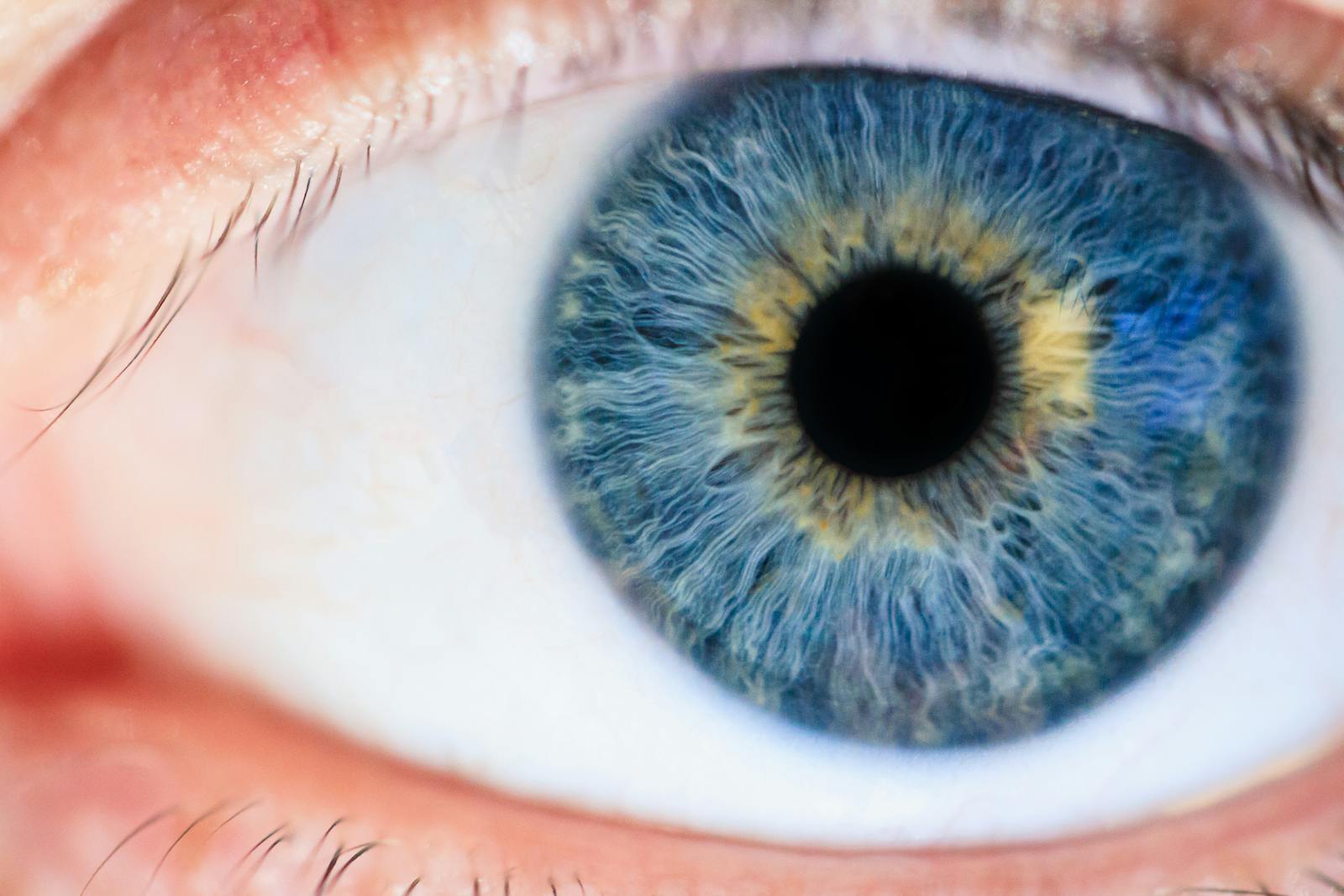
Nearsightedness — distant objects appear soft while close work stays clear.
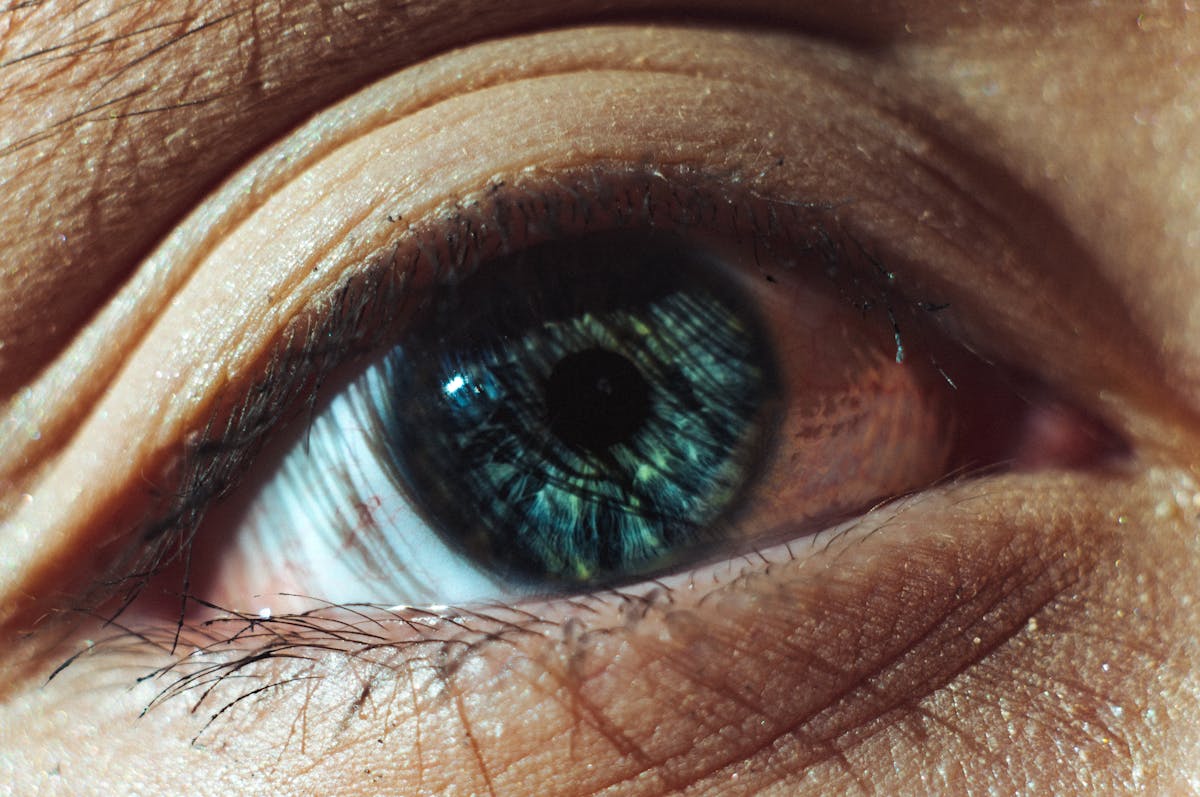
Myopia — nearsightedness — is what happens when the eye grows a little too long from front to back. Light from far objects focuses in front of the retina instead of on it, and everything past arm's length goes soft. It's the most common refractive issue in the world, and it's getting more common, especially in children.
The childhood progression matters.
A mild prescription at eight that grows steadily through the teens is not just an inconvenience — high myopia significantly raises lifetime risk of retinal detachment, glaucoma, and macular problems. The new field of myopia control aims at the slope of that growth, not just the numbers on the chart.
How we treat it.
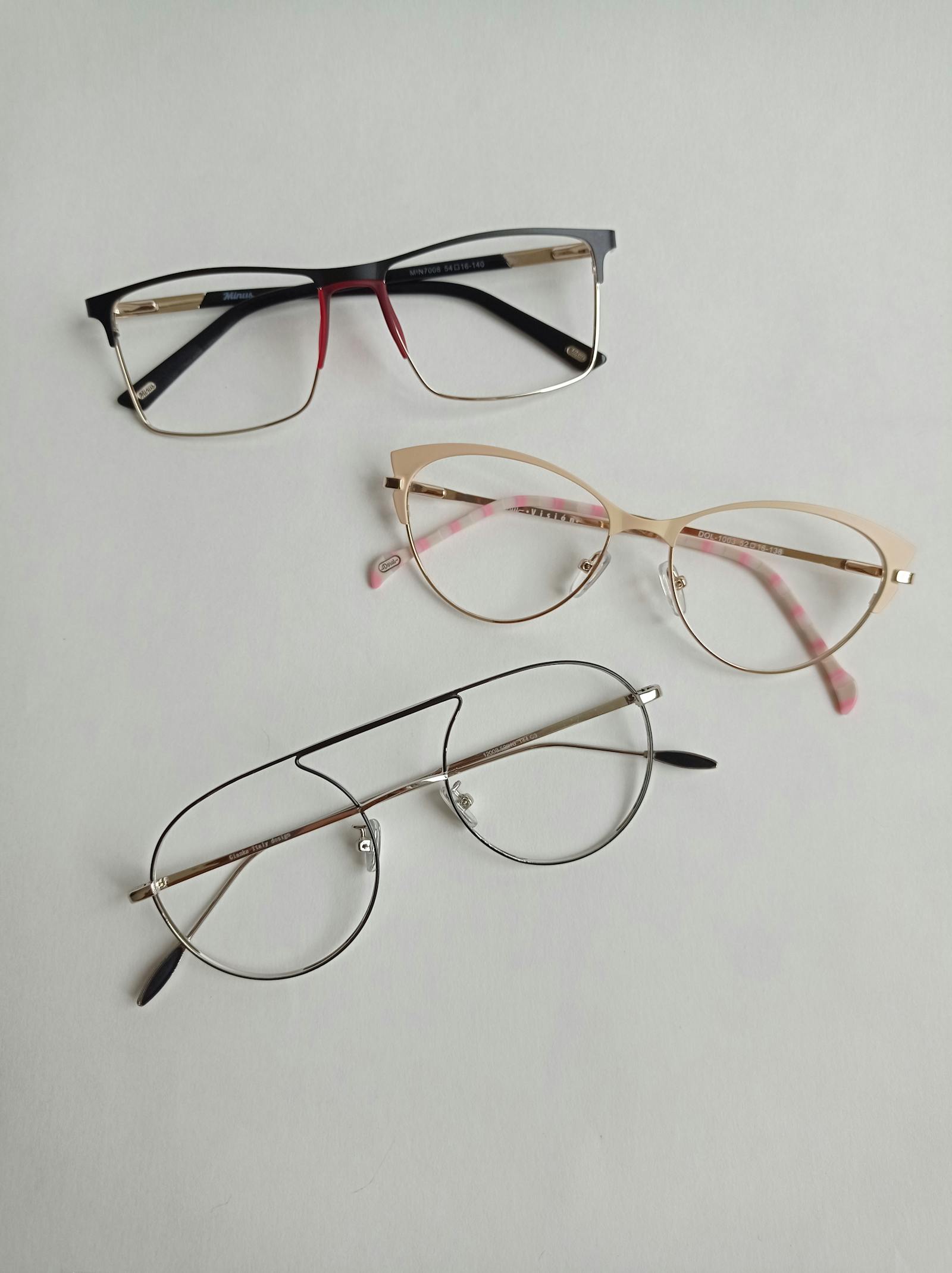
Glasses and contact lenses correct any prescription quickly. For children, low-dose atropine drops, specialised contact lenses, and increased outdoor time meaningfully slow the rate of progression. Once the prescription is stable, LASIK and similar procedures offer a one-time correction many adults find life-changing.