Astigmatism
Uneven corneal curvature that smears focus across every distance.
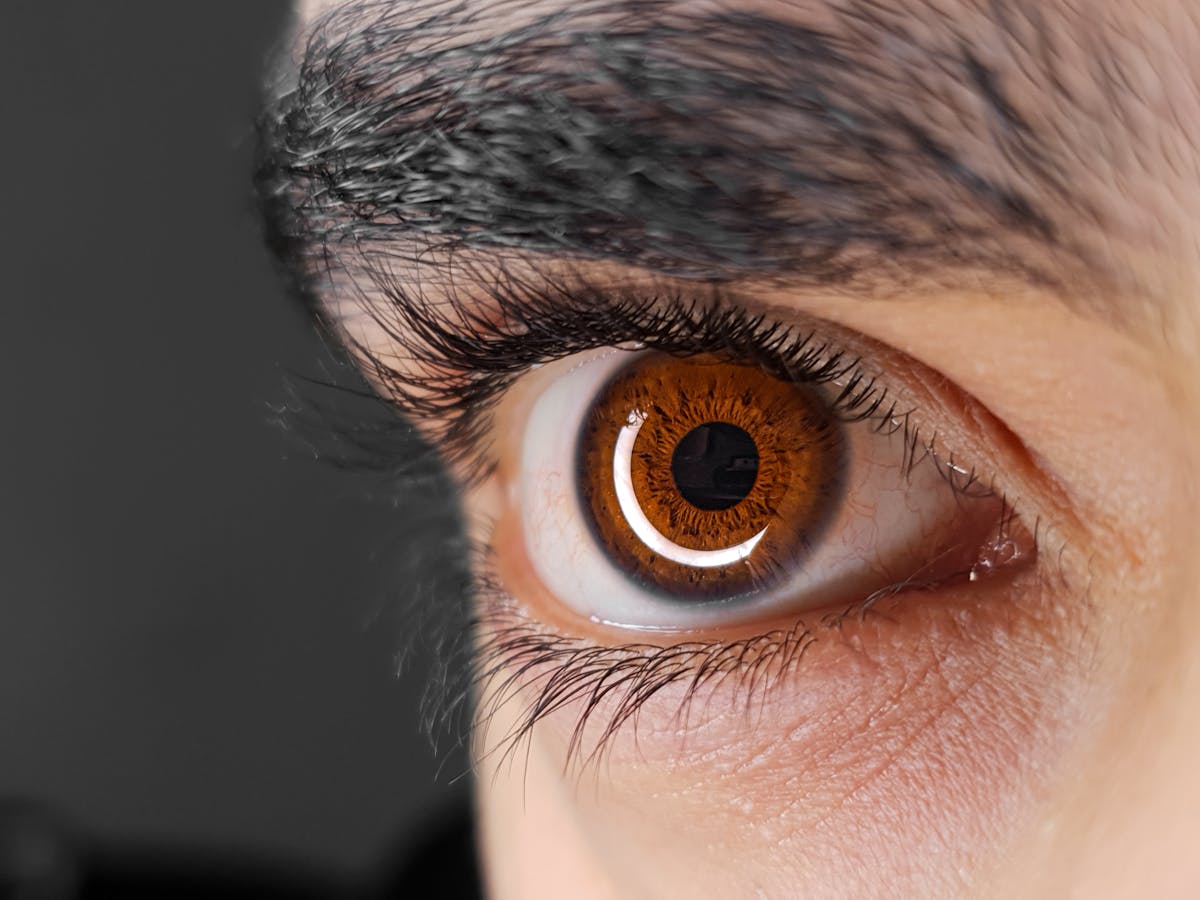
A perfectly round cornea focuses light to a single point. A cornea that's curved more in one direction than another — shaped a little like a rugby ball instead of a football — focuses light to two points, and the brain has to choose between them. The result is a soft, doubled, or ghosted image at every distance.
Why it usually goes unnoticed.
Mild astigmatism is extremely common. Most people just adapt and chalk up the blur to tired eyes, headaches, or needing more light. A proper refraction takes about three minutes and tells us not only the strength but the axis — the direction of the unevenness — which determines what shape the lens or implant needs to be.
How we correct it.
Glasses and most contact lenses correct astigmatism easily. LASIK and similar refractive procedures can flatten the cornea in the right direction, eliminating the need for daily correction. For patients who develop cataracts, modern intraocular lenses can correct astigmatism at the same time as the cataract itself.