When to schedule your child's first eye exam.
Children rarely complain about their vision — they adapt. A few markers that matter, and why catching things early is everything.

Children almost never report that their vision is poor. They have no baseline to compare against — to them, however the world looks is just how the world looks. What they do report, indirectly, is everything else: headaches at the end of the school day, sitting closer to the board, losing their place when they read, tipping their head to one side when concentrating.
The recommended timeline.
A first comprehensive exam at six months. A second around age three. A third before kindergarten. Then yearly through school. The early ones are not about chart-reading — they're about catching amblyopia, strabismus, and large prescription differences between the two eyes, all of which respond dramatically better to early treatment than to late treatment.
Amblyopia — sometimes called lazy eye — is a condition where the brain learns to ignore signals from one eye. Caught before age seven, it's almost always reversible with patching, glasses, or vision therapy. Caught at fifteen, it's largely permanent.
Signs worth flagging early.
Eyes that don't track together — one drifting in or out — when your child is tired or focusing intently. Closing or covering one eye to see better. Frequent eye rubbing. Avoiding tasks that require near focus, like puzzles or coloring. A family history of strong prescriptions, lazy eye, or strabismus.
None of these mean something is definitely wrong. All of them mean it's worth a fifteen-minute visit to confirm it isn't.
What pediatric exams actually look like.
For young children, the exam doesn't require them to read letters. We use pictures, lights, prisms, and a lot of patience. The whole thing often plays out as a game. The technical measurements are made while the child is engaged with something else — that's the skill of a good pediatric exam.
If your child has never had a comprehensive eye exam, and is older than three, this is the appointment to make this season. Vision is the dominant sense for everything they're learning to do.
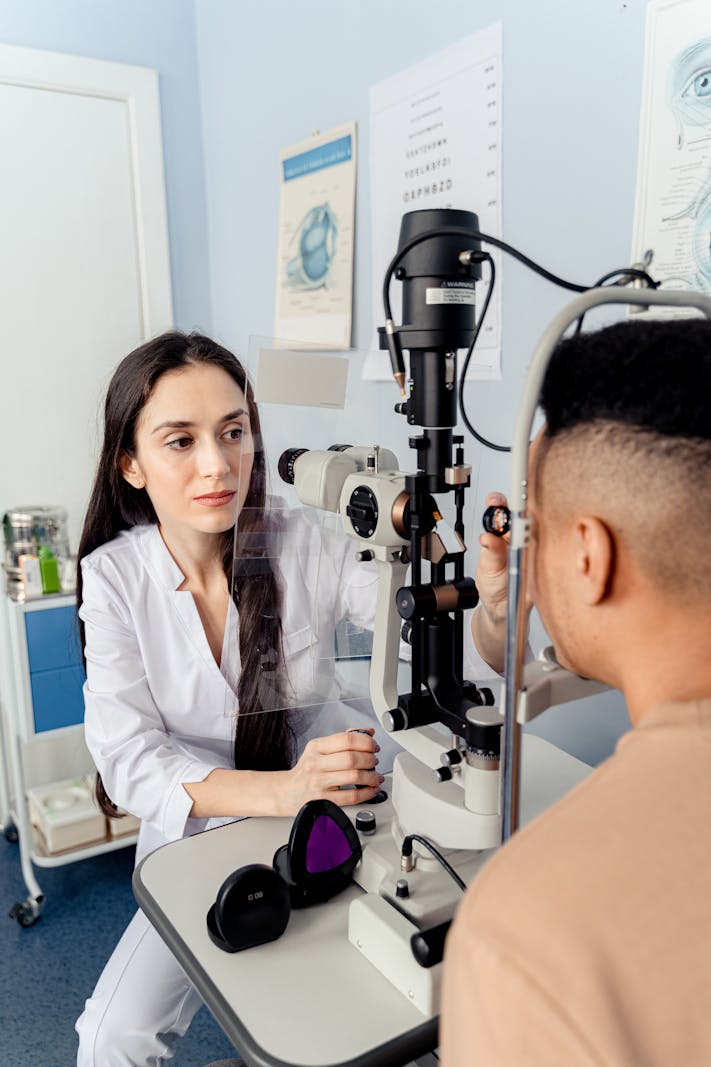
What an eye exam actually looks for.
Beyond the chart on the wall — the quiet checks that catch glaucoma, diabetes, and brain conditions years before symptoms.
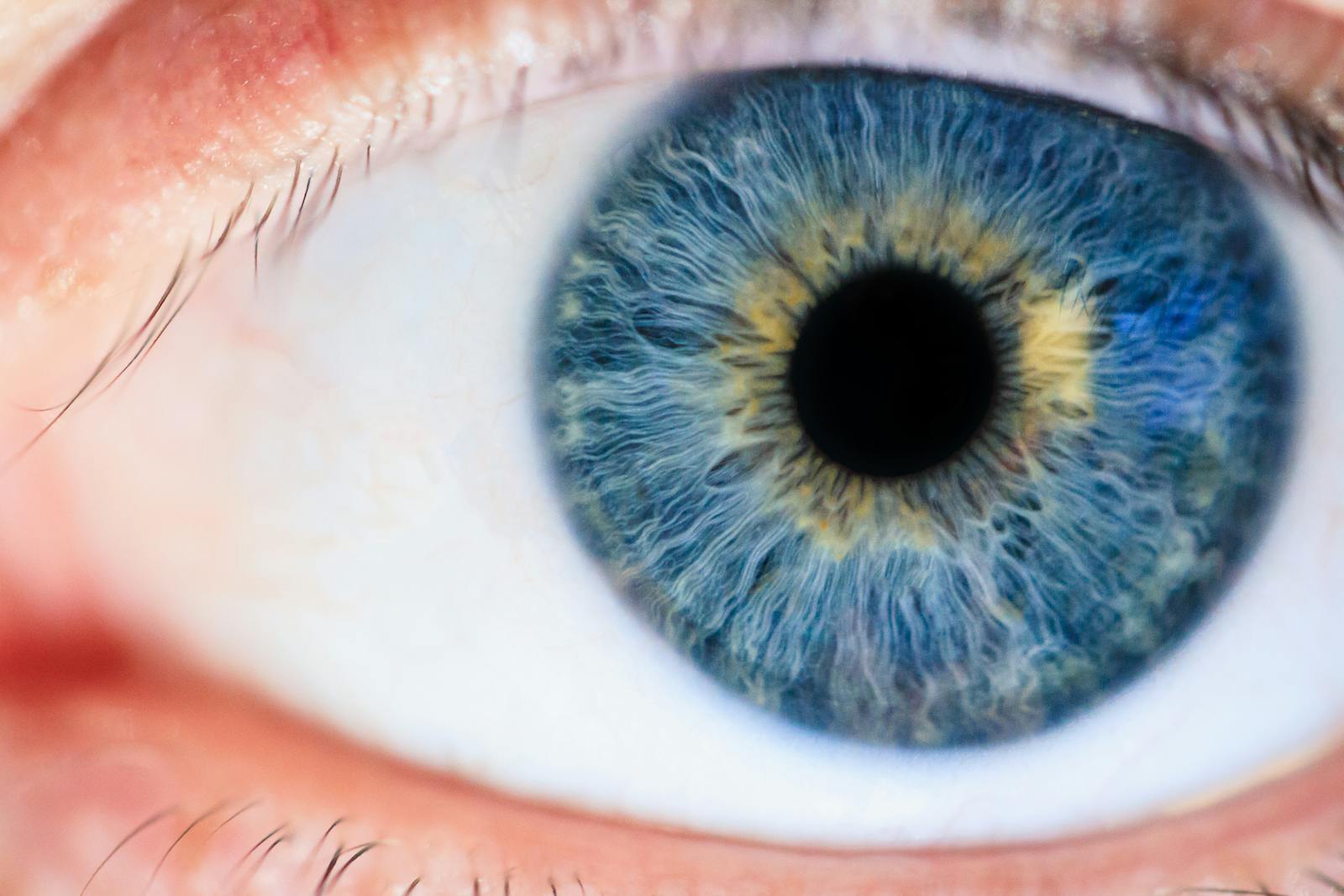
Screens, strain, and the 20-20-20 rule.
Why your eyes feel raw after a workday — and the small habits that actually move the needle on digital eye strain.

Cataract surgery, demystified.
What changes when the cloudy lens comes out — recovery timelines, lens choices, and what "clear" looks like a week later.