When dry eyes need more than drops.
Chronic dryness is rarely just dryness. A short guide to the underlying causes — and the treatments that actually last.
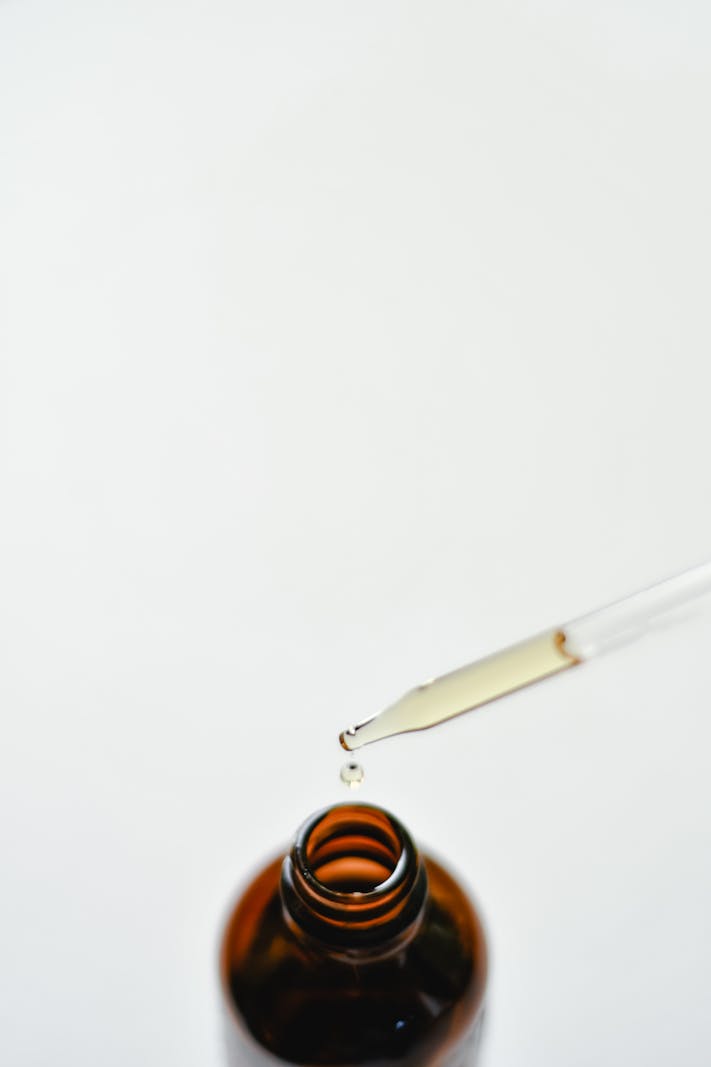
Almost every patient over forty has, at some point, walked into our office with the assumption that they need stronger drops. About a third of them actually need them. The rest need us to find what's underneath.
What dry eye really is.
The tear film on the surface of your eye has three layers — water, oil, and mucus. When any one of them is off, the eye dries out. Drops only replace the water layer. If the problem is in the oil layer (which produces most chronic dry eye cases), drops will feel good for fifteen minutes and the symptoms return.
The oil comes from small glands along the rim of your eyelid called the meibomian glands. When those glands clog — from age, hormone shifts, prolonged screen time, or rosacea — the oil stops reaching the tear film and the tear film evaporates within seconds of every blink.
What actually treats it.
Warm compresses, daily, for ten minutes. Not lukewarm. Hot enough to melt the wax inside the glands, but not hot enough to burn. Most patients underestimate how warm this needs to be, and how long. A microwaveable mask works better than a washcloth, because it stays warm.
Lid hygiene — gentle cleaning along the lash line with a dilute cleanser — clears the gland openings. For more advanced cases, we can do thermal pulsation in-office, which heats and expresses the glands in a way home compresses can't fully replicate.
When to come in.
If you've been using artificial tears for more than a month with no real improvement, you've identified that drops alone aren't your answer. That's useful information. The next step is figuring out which layer of your tear film is failing, and a slit-lamp exam can usually answer that in under ten minutes.
Dry eye is one of the most treatable chronic conditions we manage. It's just rarely treatable with the first thing on the shelf at the pharmacy.
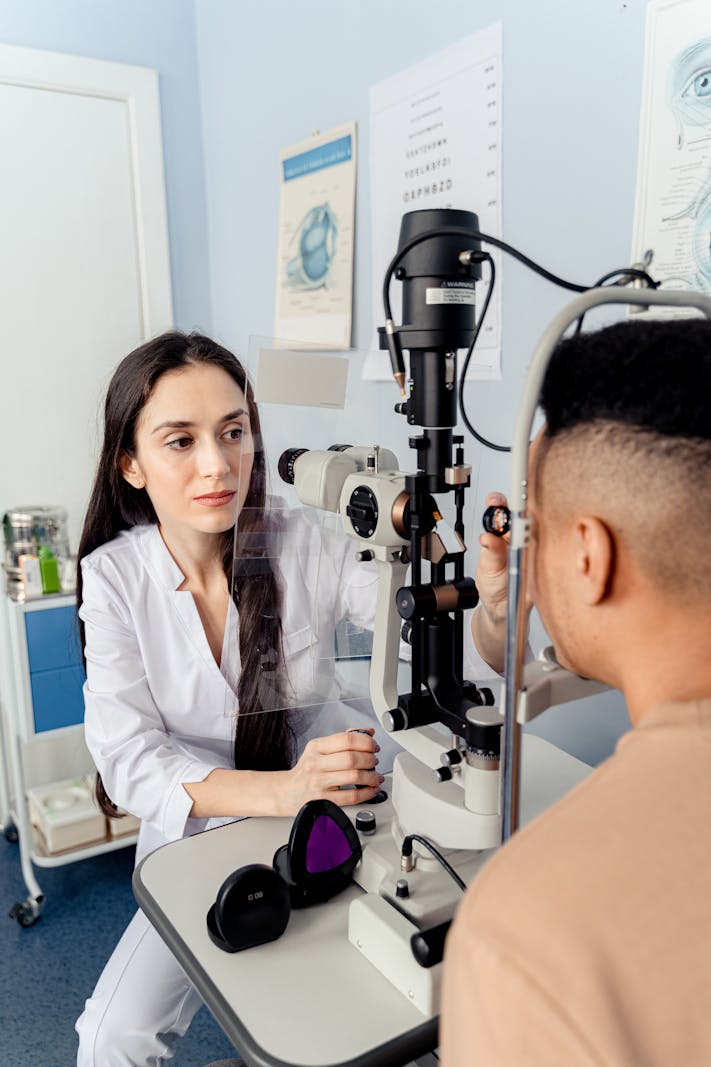
What an eye exam actually looks for.
Beyond the chart on the wall — the quiet checks that catch glaucoma, diabetes, and brain conditions years before symptoms.
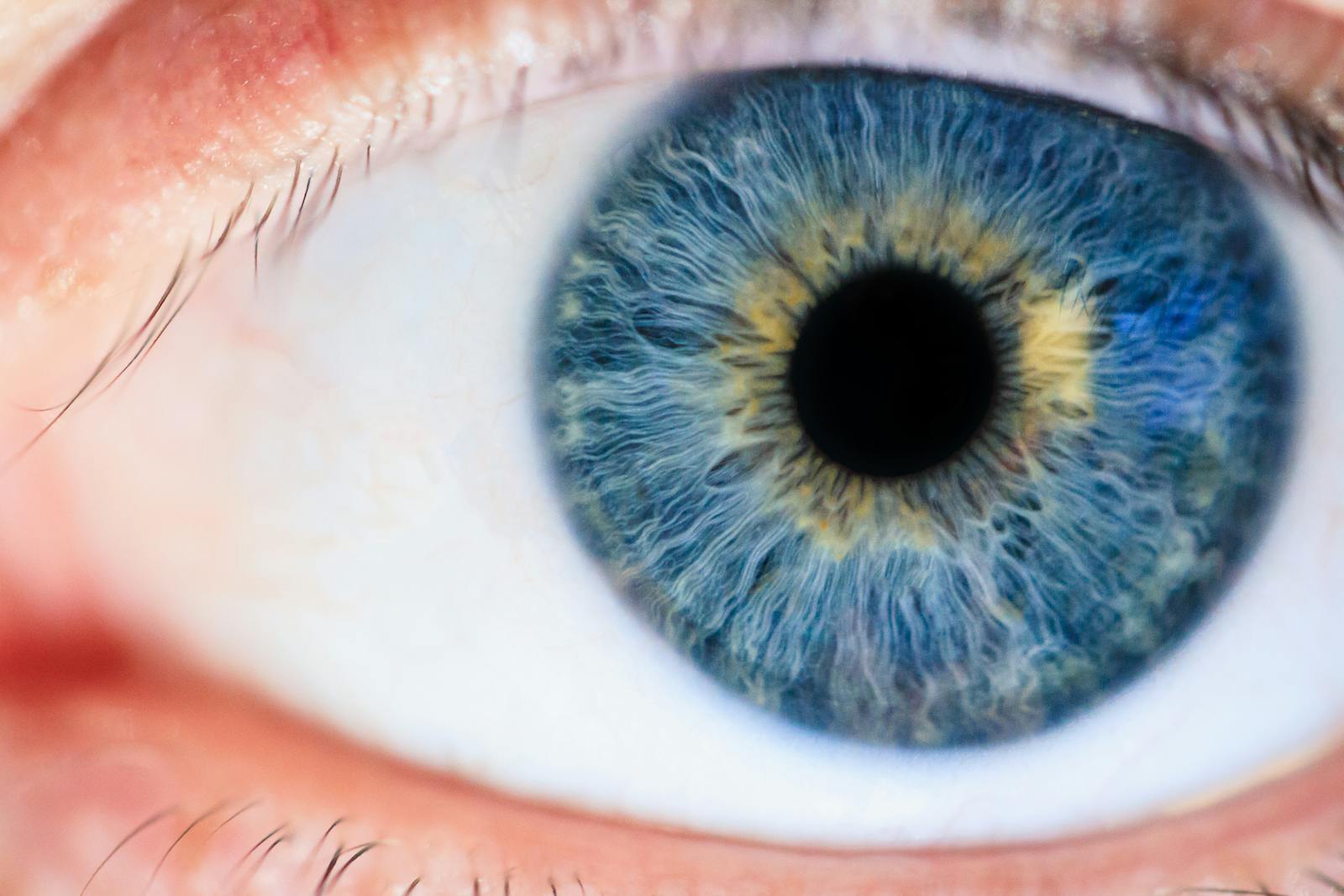
Screens, strain, and the 20-20-20 rule.
Why your eyes feel raw after a workday — and the small habits that actually move the needle on digital eye strain.

Cataract surgery, demystified.
What changes when the cloudy lens comes out — recovery timelines, lens choices, and what "clear" looks like a week later.