Sunglasses are eyewear, not accessories.
What UV exposure actually does to your eyes over decades — and the unglamorous lens specs that matter when you buy.
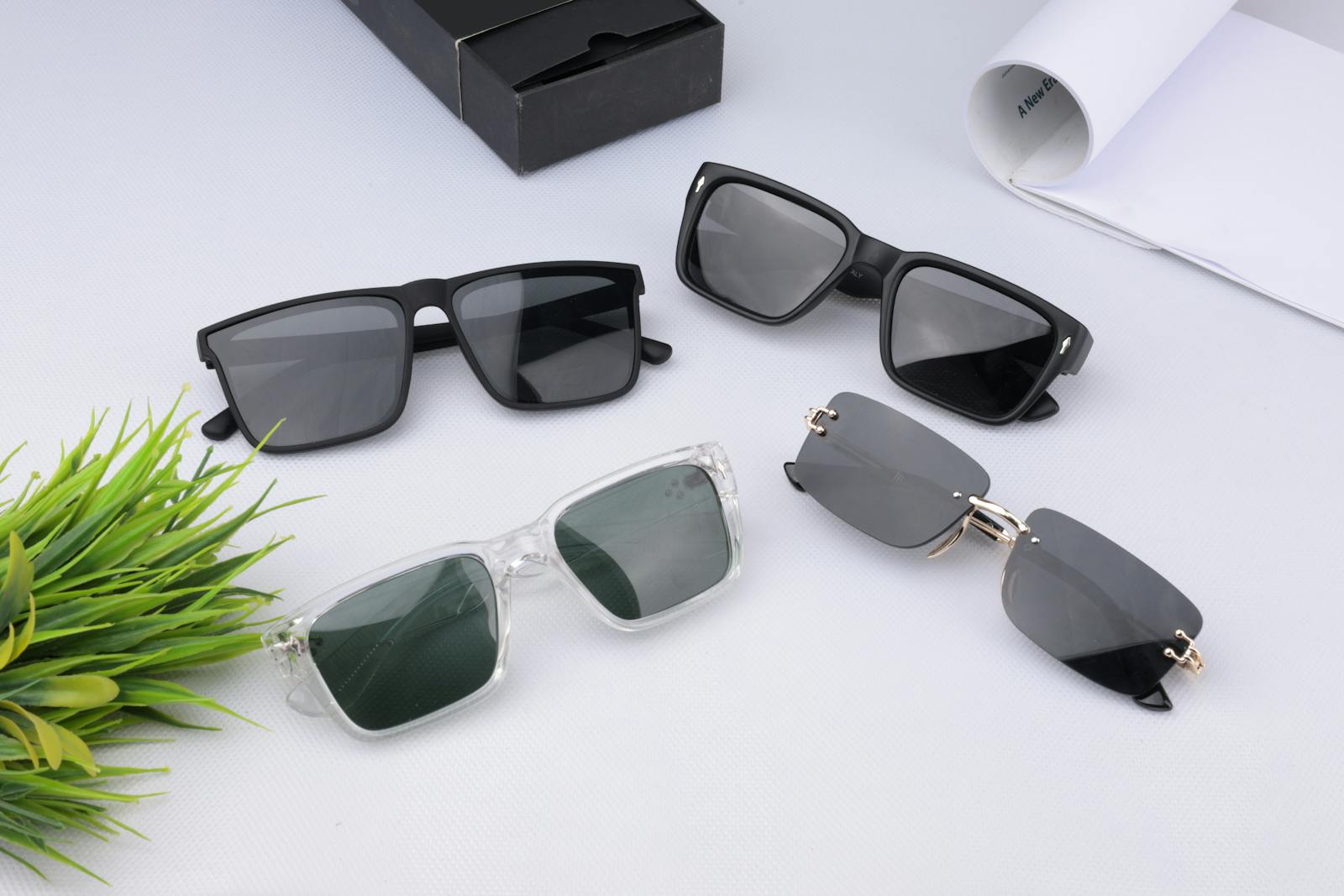
The slow damage UV light does to the eye is well-documented and almost entirely preventable. The protection is one of the cheapest interventions in eye care — a single pair of properly-rated sunglasses can do more for your long-term eye health than most things on the supplement aisle.
What UV actually causes.
Cumulative UV exposure is a contributor to cataract formation, macular degeneration, pterygium (a thickening on the surface of the eye, sometimes called surfer's eye), and photokeratitis — the sunburn of the cornea you get from a day on the snow or the water without protection. The first two take decades. The last two take hours.
What the label should say.
Look for 100% UV-A and UV-B protection, or equivalently, the "UV 400" label. That's the standard. A pair that says "blocks 99% UV" is, contrary to intuition, not the same thing — full-spectrum 400nm coverage is what blocks UV-A.
The darkness of the lens has nothing to do with UV protection. A pale-yellow lens with proper coating blocks UV; a dark-black lens without coating does not. This is the most common consumer mistake.
When polarized matters.
Polarized lenses cut horizontal glare — bouncing off water, snow, asphalt, car hoods. If you spend time driving long distances, fishing, boating, or skiing, polarized is genuinely useful. For everyday wear it's a comfort upgrade, not a necessity.
On fit.
Light enters from above and from the sides, not just straight ahead. The frame should sit close enough to your face that it limits side-light, and the lens should cover from your brow line to the top of your cheekbone. Tiny narrow-lens frames may look stylish, but they let in a substantial amount of unfiltered light from above.
Sunglasses are not seasonal. UV is present on cloudy days. Snow reflects more UV than asphalt. Most patients with significant UV damage report wearing sunglasses only in summer.
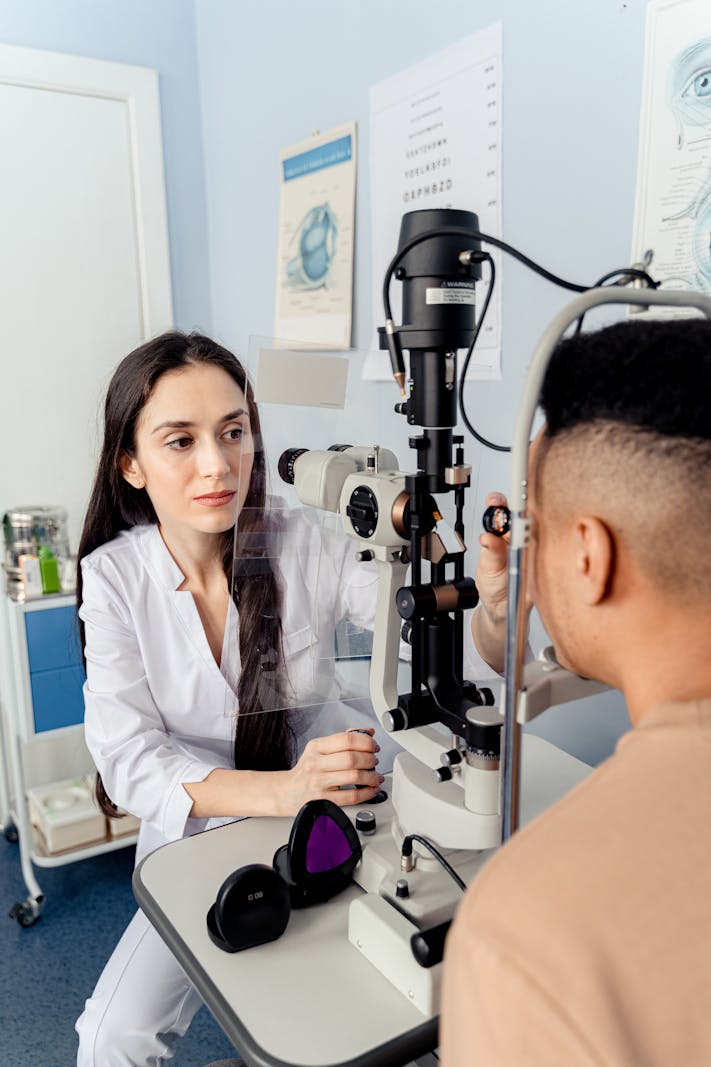
What an eye exam actually looks for.
Beyond the chart on the wall — the quiet checks that catch glaucoma, diabetes, and brain conditions years before symptoms.
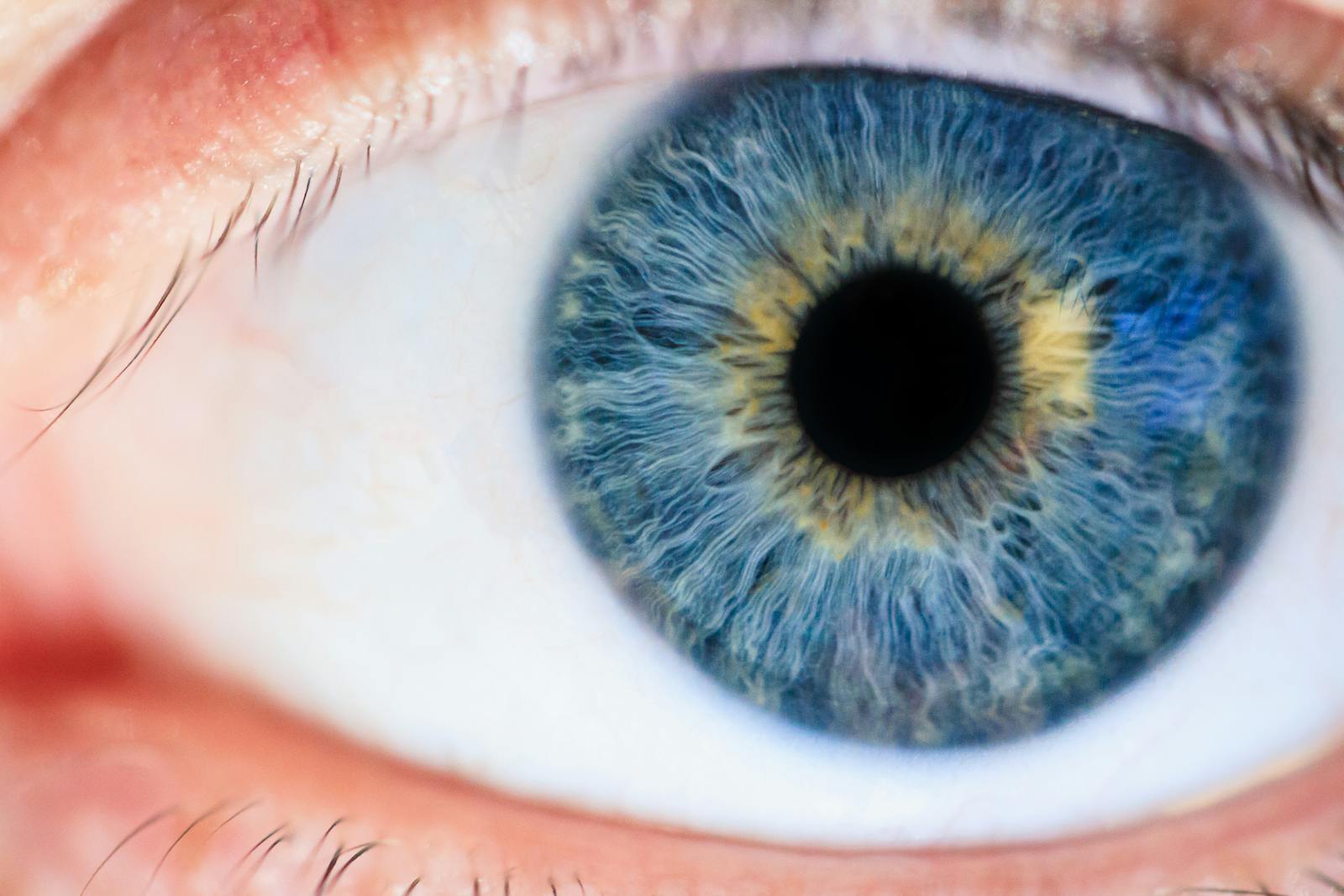
Screens, strain, and the 20-20-20 rule.
Why your eyes feel raw after a workday — and the small habits that actually move the needle on digital eye strain.

Cataract surgery, demystified.
What changes when the cloudy lens comes out — recovery timelines, lens choices, and what "clear" looks like a week later.