Screens, strain, and the 20-20-20 rule.
Why your eyes feel raw after a workday — and the small habits that actually move the needle on digital eye strain.
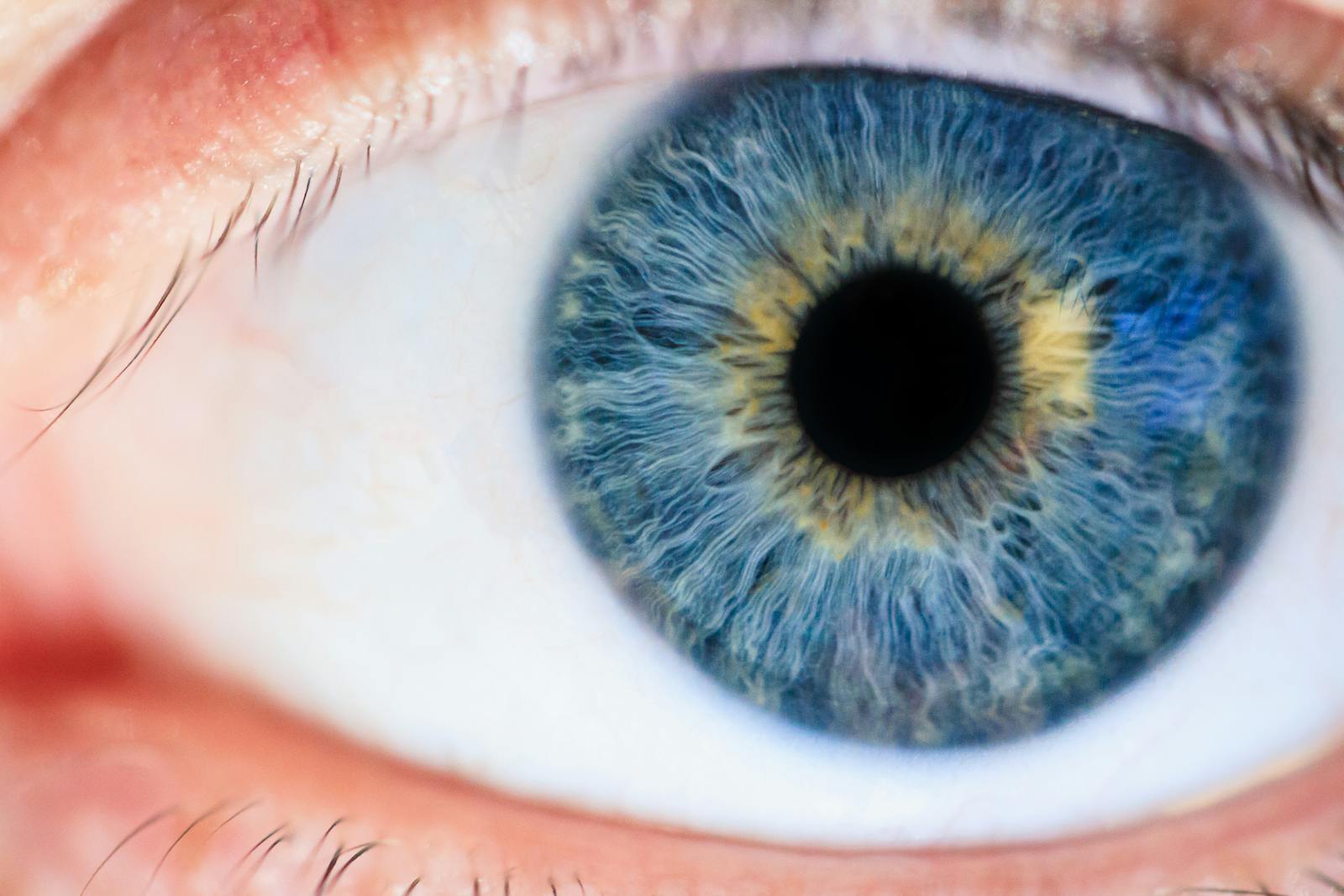
Digital eye strain is the diagnosis we give more often than any other in our chairs, and it's also the one with the most stubborn solution. The problem isn't blue light. The problem is that staring at a screen for eight straight hours is not what eyes evolved to do.
What strain actually is.
When you focus on something close — a screen, a book — the small muscles inside your eye contract to hold that focus. Hold the contraction for hours, and the muscle fatigues. That fatigue is the burning, the blurred-after-work, the headache that lives behind your right eye by 4 p.m.
At the same time, you blink less when you stare. Less blinking means the tear film evaporates, and the surface of the eye dries out. Stinging, redness, that gritty feeling — that's most of it.
The 20-20-20 rule, plainly.
Every twenty minutes, look at something twenty feet away for twenty seconds. That's it. It's the single most effective intervention we recommend, and patients dismiss it constantly because it sounds too simple.
It works because it gives the focusing muscle a chance to relax — to switch from near-focus to far-focus, which is the position those muscles were designed for. The twenty seconds is enough for the contraction to ease. Do it on a real timer, not by intuition; you will forget otherwise.
What to skip.
Blue-light glasses without a prescription do very little. The studies that matter — large, properly controlled, peer-reviewed — show no meaningful effect on strain symptoms. If they help you, fine. But don't pay extra for that coating thinking it's the answer.
The real fixes are unglamorous. Bigger fonts. A monitor at arm's length. Brightness matched to the room. Lubricating drops if you're a hard staring-type. And a real timer for the 20-20-20 rule, until it becomes a habit you don't have to think about.
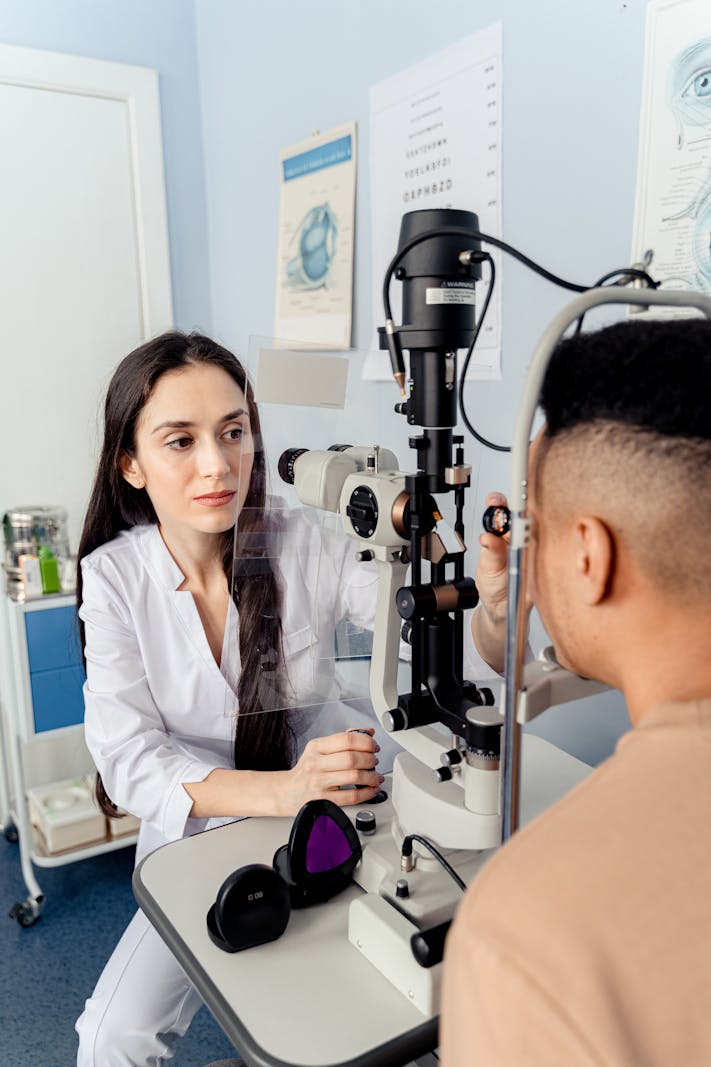
What an eye exam actually looks for.
Beyond the chart on the wall — the quiet checks that catch glaucoma, diabetes, and brain conditions years before symptoms.

Cataract surgery, demystified.
What changes when the cloudy lens comes out — recovery timelines, lens choices, and what "clear" looks like a week later.
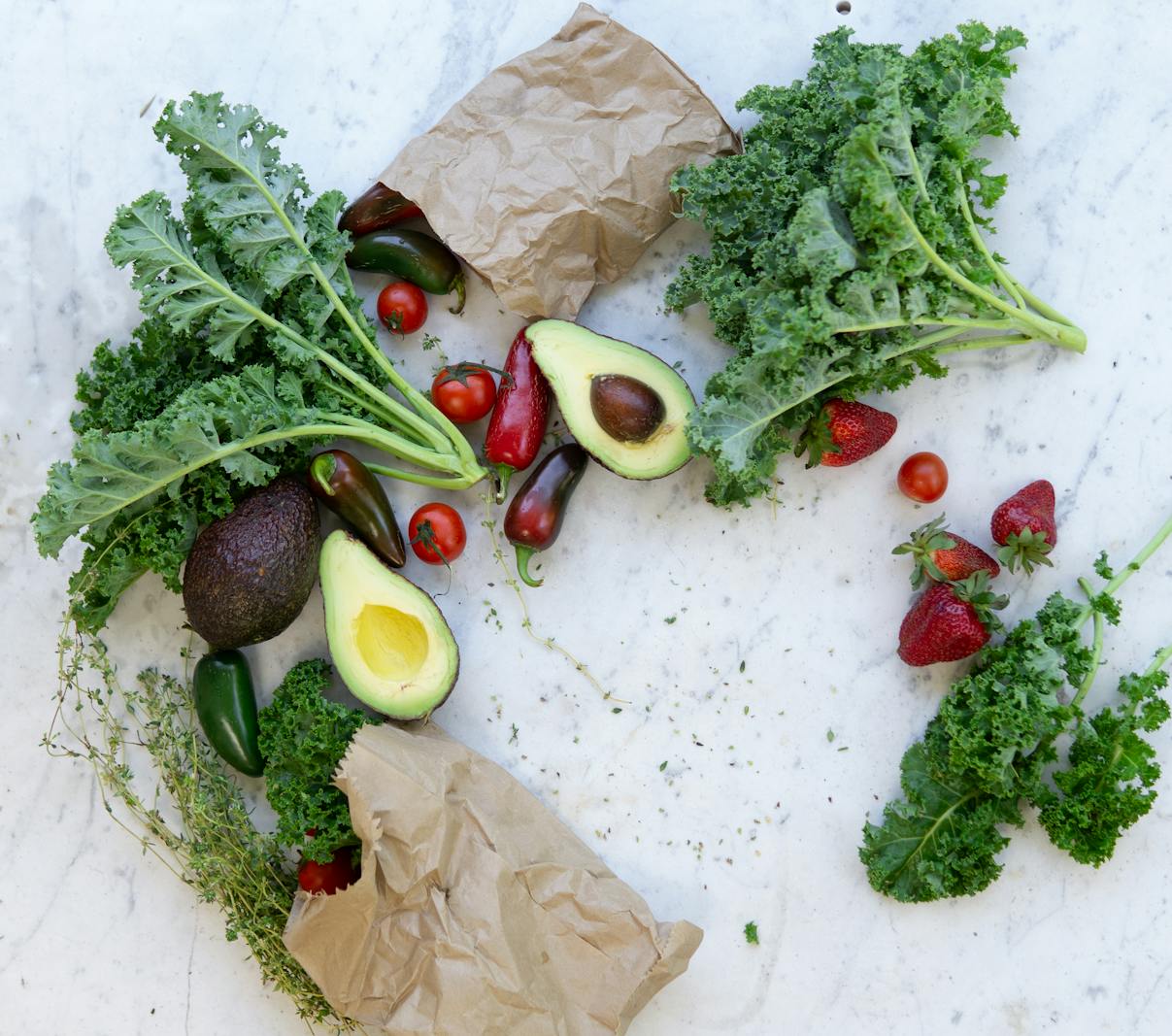
Foods that quietly protect your vision.
Leafy greens, oily fish, a fistful of berries — what decades of retinal studies keep pointing back to, and what's hype.