Foods that quietly protect your vision.
Leafy greens, oily fish, a fistful of berries — what decades of retinal studies keep pointing back to, and what's hype.
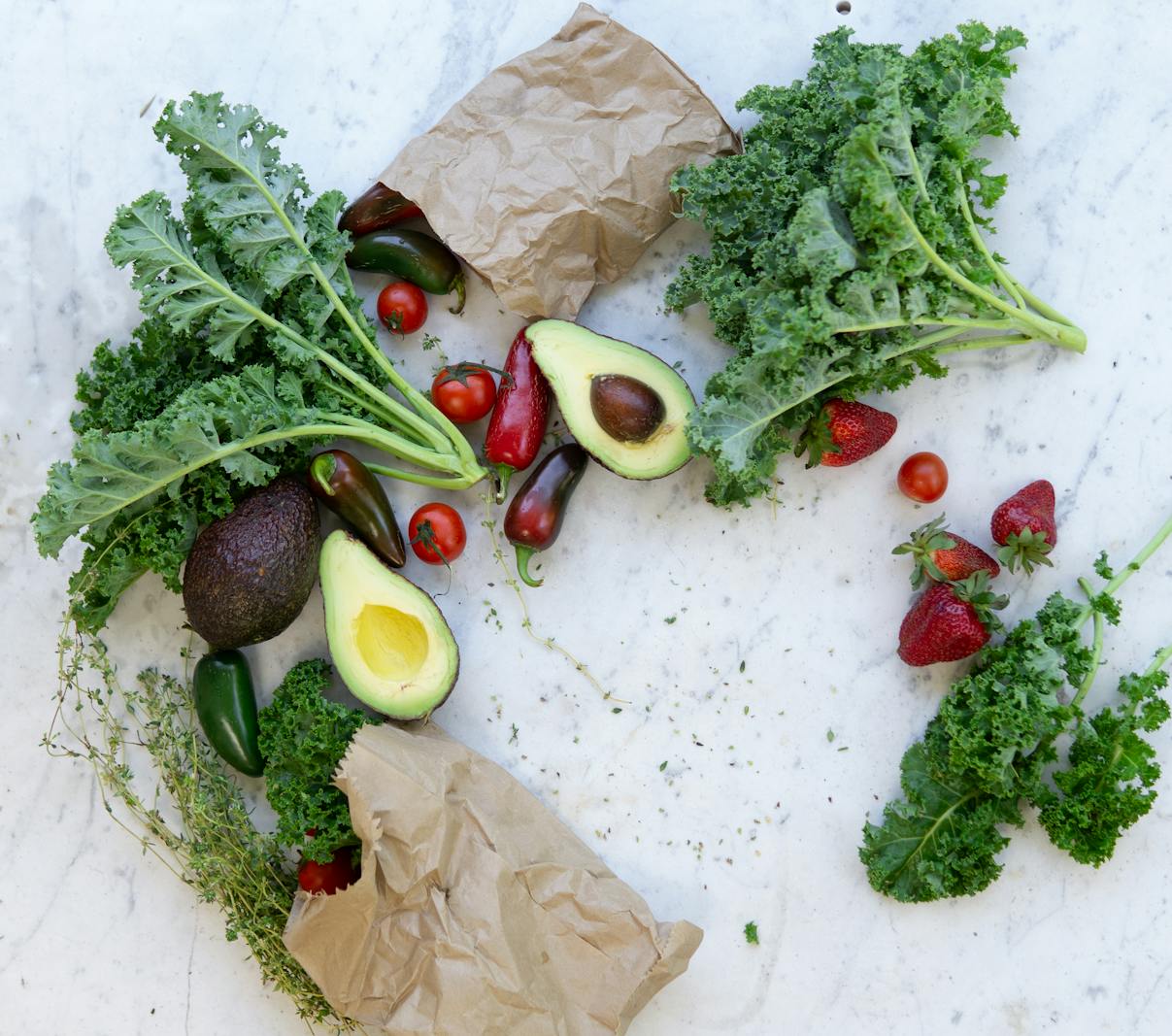
There is no single food that protects your eyes. There is also no supplement that delivers what real food delivers. The diet that turns up over and over in long-term studies of macular degeneration and cataract risk is roughly: lots of greens, fish twice a week, colorful fruit, whole grains, less processed sugar. That's it.
What's actually doing the work.
The two nutrients that matter most for the macula — the part of the retina responsible for sharp central vision — are lutein and zeaxanthin. They give kale and spinach their dark green color, and they accumulate in the retina over years.
Oily fish — salmon, sardines, mackerel — provide omega-3 fatty acids that support the tear film and may slow the progression of dry eye over time. Two servings a week is the threshold most studies converge on.
Where the hype gets ahead of the science.
Carrots got famous during World War II as a British propaganda story to explain pilot night-vision capability without revealing radar. Vitamin A is essential, but most people get plenty from a normal diet. Eating five extra carrots a week will not noticeably change your sight.
Blueberries are good for you, but the "improves vision" claim was extrapolated from a single small study on RAF pilots that has never been reliably replicated. Eat them because they're delicious. Don't expect a measurable change in your prescription.
On supplements.
The AREDS-2 formulation — a specific blend of vitamins and minerals — has been shown to slow the progression of intermediate macular degeneration toward the more aggressive form. If your retina specialist has flagged AMD, it's worth discussing. Outside that specific context, a daily multivitamin is not changing your eye health.
The boring truth is that a well-fed body produces well-fed eyes. There is no shortcut.
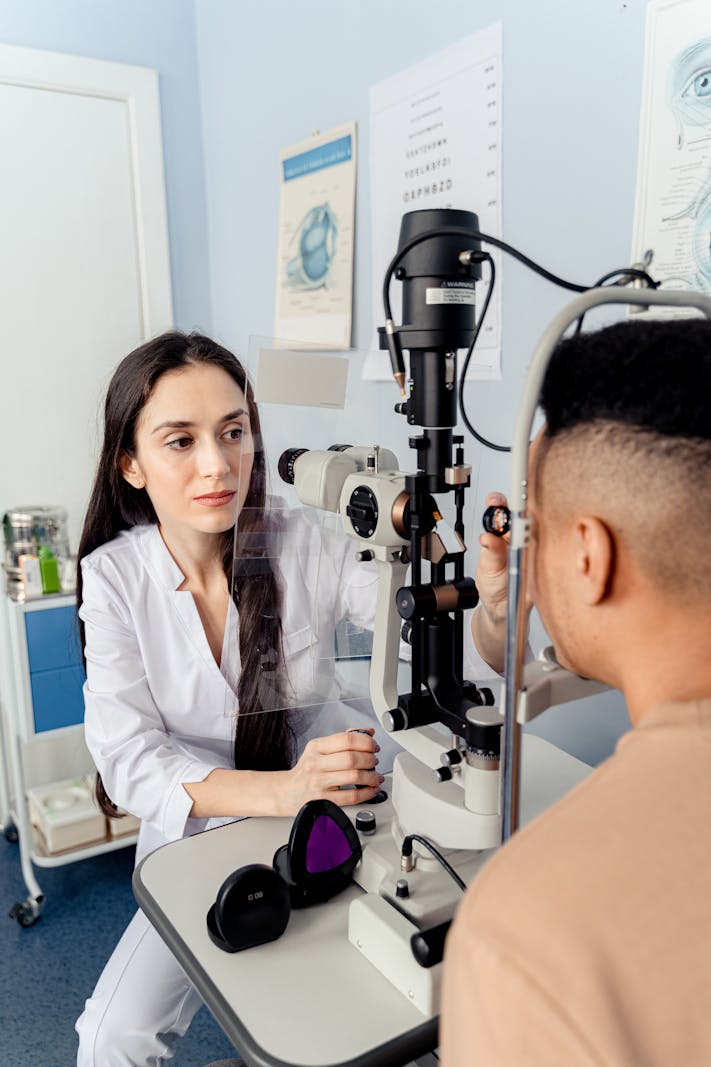
What an eye exam actually looks for.
Beyond the chart on the wall — the quiet checks that catch glaucoma, diabetes, and brain conditions years before symptoms.
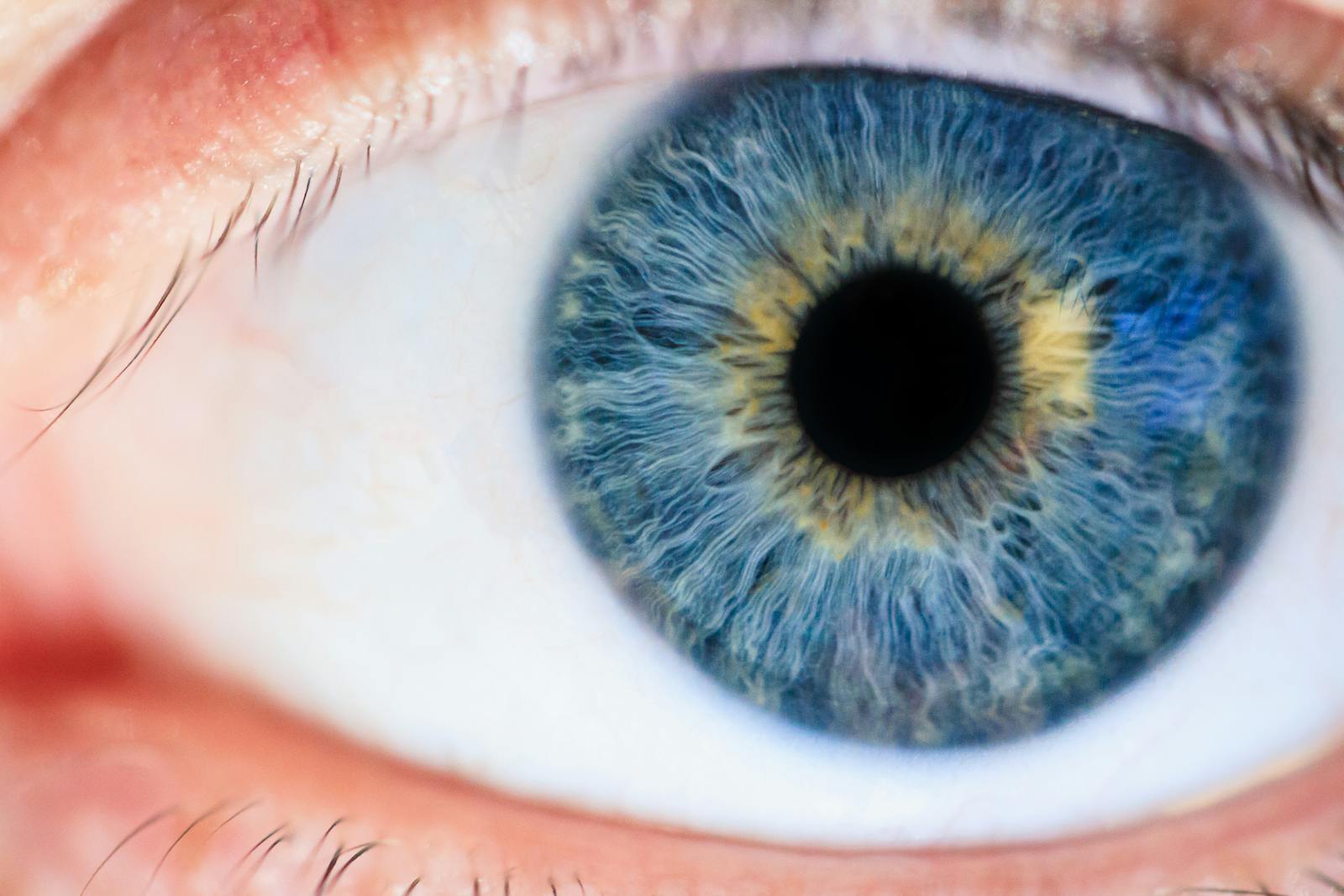
Screens, strain, and the 20-20-20 rule.
Why your eyes feel raw after a workday — and the small habits that actually move the needle on digital eye strain.

Cataract surgery, demystified.
What changes when the cloudy lens comes out — recovery timelines, lens choices, and what "clear" looks like a week later.