Choosing frames that work with — not against — your face.
A short guide to fit, weight, and the small details that separate frames you forget about from frames you take off every hour.
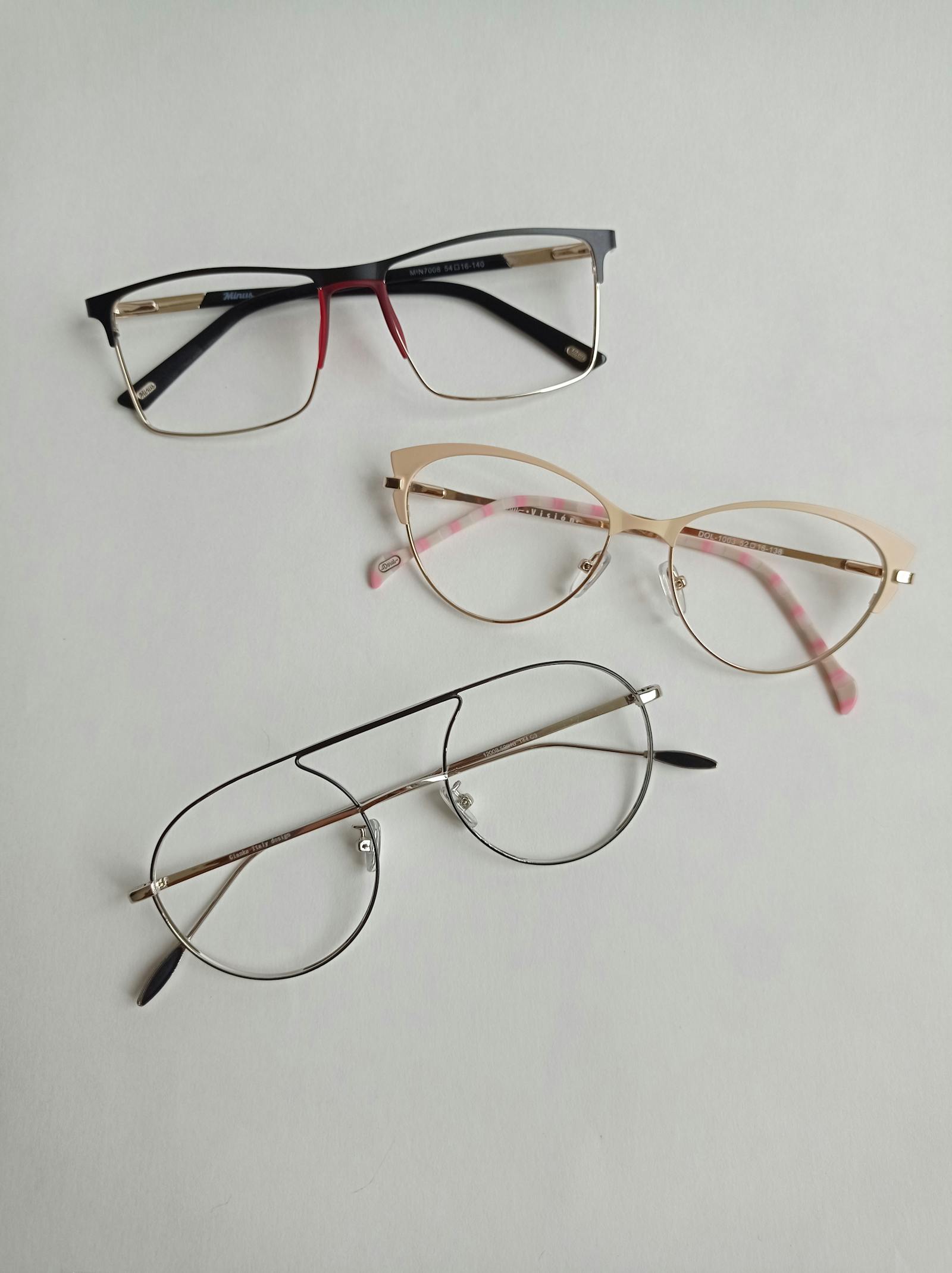
Frames are the most worn object on most people's faces, and most people choose them in ten minutes under bad lighting in a shop. The pair you'll forget you're wearing — the goal — is the result of a few specific decisions, none of them about fashion.
Fit comes first.
The frame should sit on the bridge of your nose without pinching, and the temples should rest gently behind your ears without pressing. The eye should sit in roughly the center of each lens — not toward the top, not toward the bottom. If your eye is at the edge of the lens, your prescription will work properly only at certain angles.
Width matters more than people think. The temple-to-temple width of the frame should match the temple-to-temple width of your face. A frame that's too wide slides down constantly. A frame that's too narrow pinches and leaves marks.
Weight, and why it matters.
A frame that is one ounce versus half an ounce doesn't sound like a meaningful difference until you've worn it for ten hours. Heavier frames push the pads of the frame into your nose, leaving the dents and pressure marks that every glasses-wearer knows. Titanium and properly-engineered acetate are dramatically lighter than cheap plastic, and the difference shows up at hour seven of the day.
On lens type.
If your prescription is even moderately strong, high-index lenses are worth the price difference — they're thinner, lighter, and they don't make your eyes look distorted from the side. Anti-reflective coating is non-optional in our opinion; it removes the glare that otherwise makes night driving harder and makes photos of you look like glare-spots-with-a-face.
What to skip.
Designer logos on the temple do nothing for the frame's fit or feel. Color trends move fast — buy a color you'll be comfortable seeing on yourself for three years, not three months. And if a frame feels wrong in the shop, it will not "break in" — frames don't break in the way shoes do. Trust what your face is telling you in the first five minutes.

What an eye exam actually looks for.
Beyond the chart on the wall — the quiet checks that catch glaucoma, diabetes, and brain conditions years before symptoms.
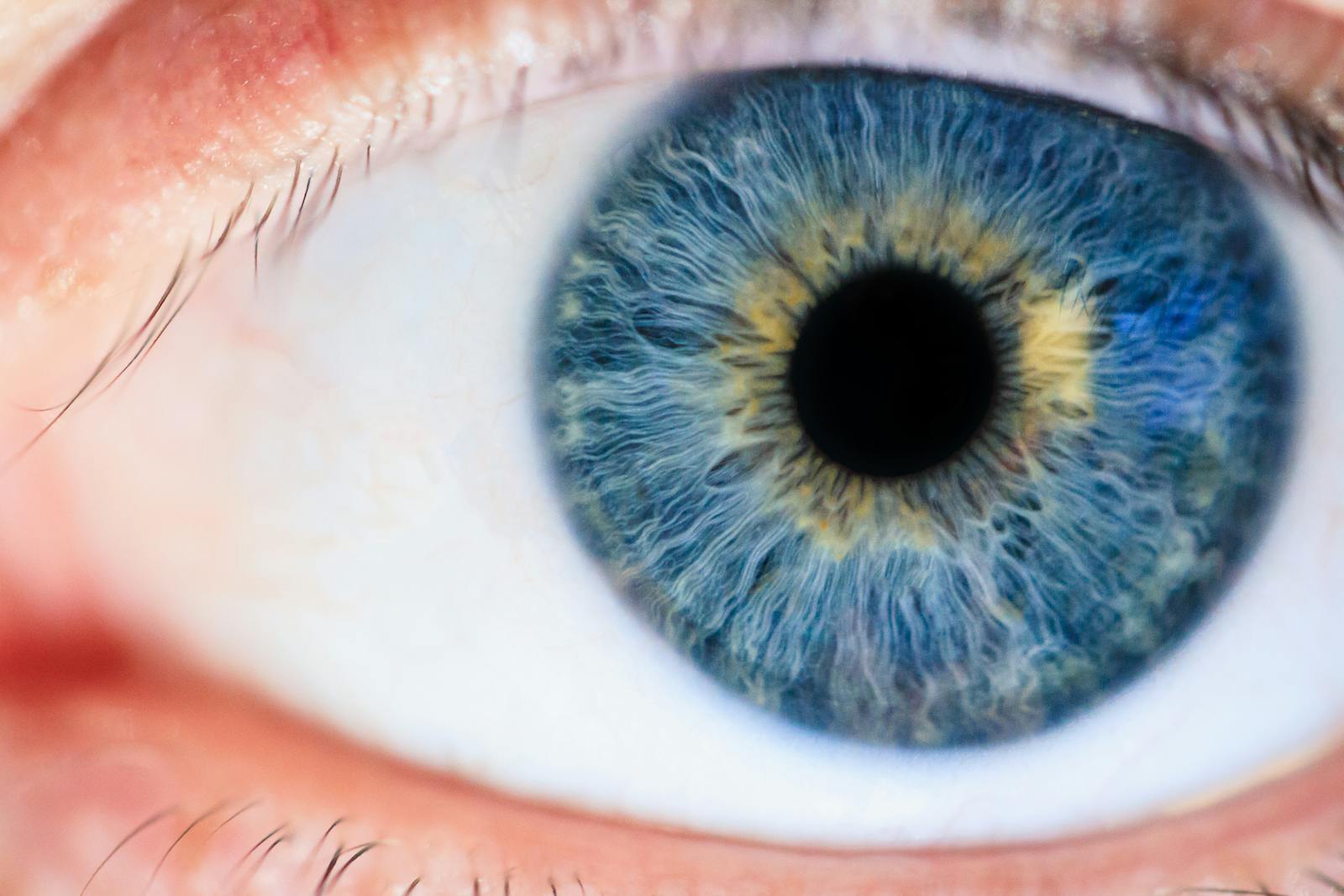
Screens, strain, and the 20-20-20 rule.
Why your eyes feel raw after a workday — and the small habits that actually move the needle on digital eye strain.

Cataract surgery, demystified.
What changes when the cloudy lens comes out — recovery timelines, lens choices, and what "clear" looks like a week later.