Cataract surgery, demystified.
What changes when the cloudy lens comes out — recovery timelines, lens choices, and what "clear" looks like a week later.

Patients delay cataract surgery, on average, for two years longer than they need to. Almost always out of fear, and almost always the fear comes from not knowing what actually happens. So let's walk through it.
What a cataract is.
The natural lens of your eye sits behind your iris, about the size of an aspirin. It's clear at birth and slowly clouds with age. Once that cloudiness starts affecting your vision — colors going dull, headlights smearing at night, reading getting harder — that's the cataract.
The surgery removes that clouded lens and replaces it with a small, clear plastic one. The procedure is about fifteen minutes per eye. You're awake but sedated; you do not see what's happening. You won't feel pain.
What recovery actually looks like.
Most patients come back the next morning seeing measurably better than they did before. Colors are brighter — patients describe whites suddenly looking truly white, where they had been slightly yellow for years. Full healing takes about four weeks, but the dramatic part is the first 48 hours.
You'll use eyedrops three or four times a day for several weeks. You'll wear a thin protective shield to bed for the first week. There's no patch, no bandage, no need to take time off work past a day or two.
The lens choice.
The artificial lens that replaces yours comes in several types. A standard monofocal lens corrects distance vision and leaves you needing reading glasses for close work — what most people land on. Multifocal and extended-depth-of-focus lenses can reduce reading glasses dependence but introduce some halos at night. There's no universally right answer; the right one depends on what you do all day.
The conversation about which lens to choose is the most important part of the consultation, and it's worth coming in with a list of what your eyes actually do — drive at night, read printed text, sew, work at a screen. That's the input we need.
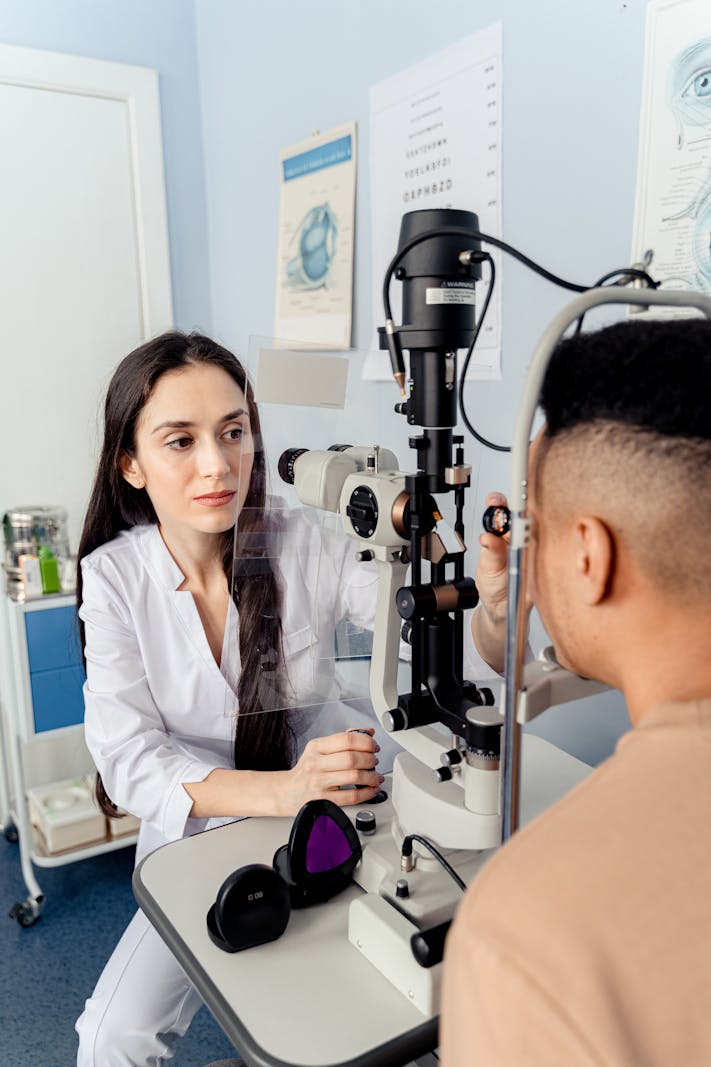
What an eye exam actually looks for.
Beyond the chart on the wall — the quiet checks that catch glaucoma, diabetes, and brain conditions years before symptoms.
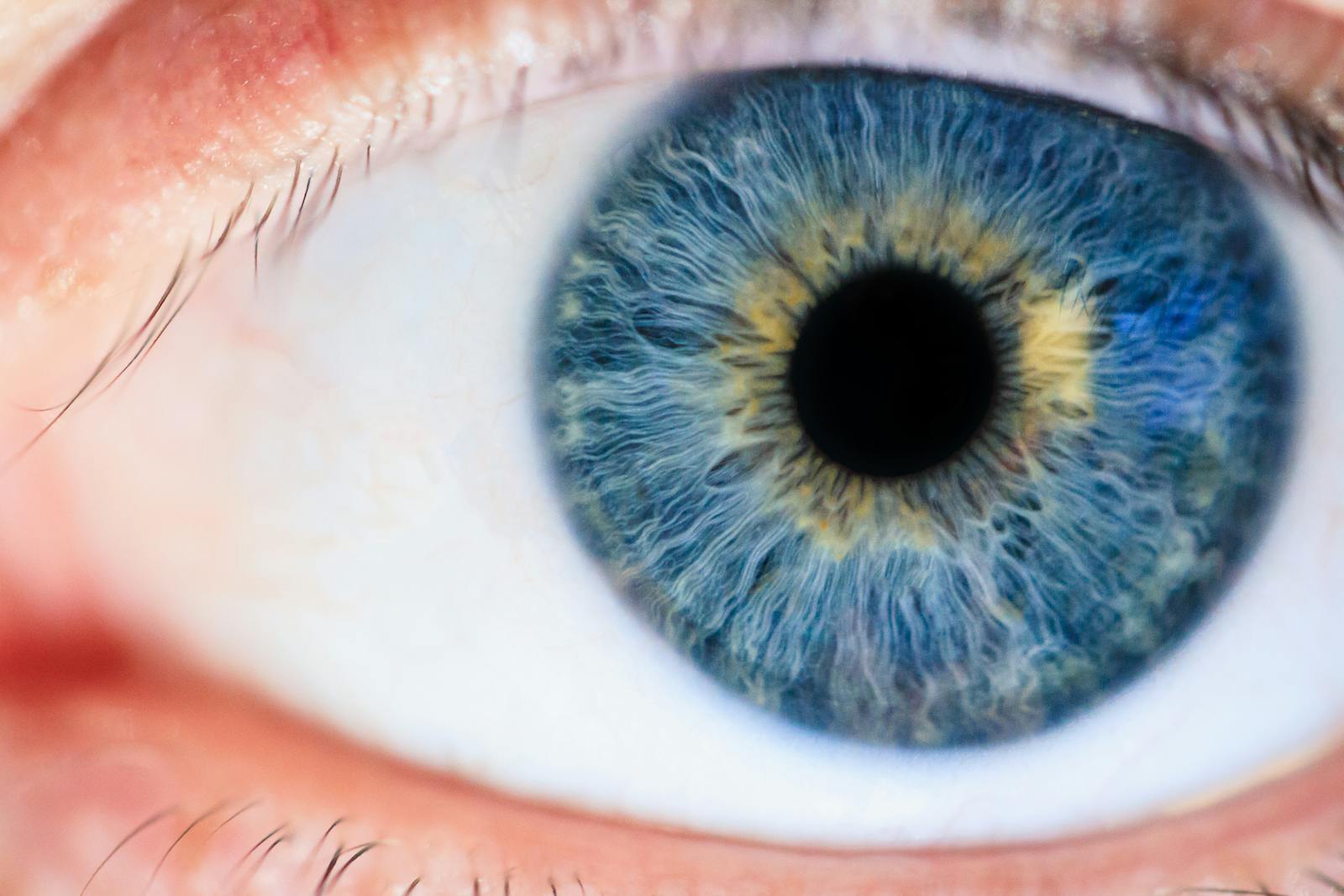
Screens, strain, and the 20-20-20 rule.
Why your eyes feel raw after a workday — and the small habits that actually move the needle on digital eye strain.

Foods that quietly protect your vision.
Leafy greens, oily fish, a fistful of berries — what decades of retinal studies keep pointing back to, and what's hype.